University of Rwanda Leads €15.3M Chikungunya Vaccine Project
The University of Rwanda (UR), has launched a four-year international research project aimed at developing a vaccine (…)

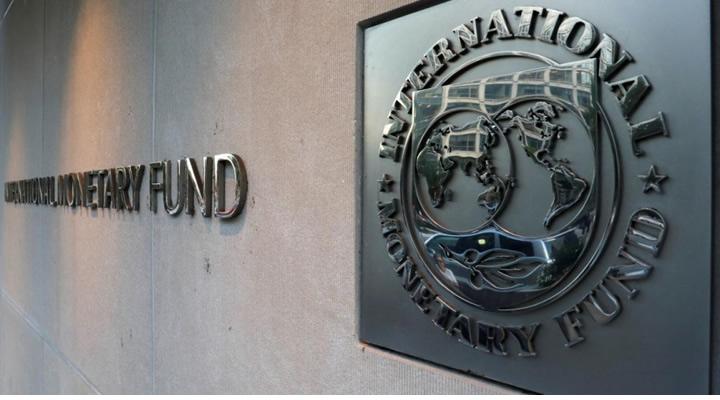
The International Monetary Fund (IMF) has approved a $250 million loan for Rwanda under its Extended Credit Facility (ECF) program to support economic stability and ongoing reforms.
The IMF Executive Board approved the arrangement in April following Rwanda’s request for financing for low-income countries. The program will run for 38 months. Rwanda immediately received $35.7 million, equivalent to about 52.2 billion Rwandan francs.
The IMF said the financing will help Rwanda manage global financial pressures, support economic growth, protect social and development spending, and strengthen resilience to external shocks.
Rwanda’s economy grew 9.4% in 2025, exceeding expectations. However, inflation rose in early 2026, reaching 13.2% in April, above the National Bank of Rwanda’s target.
Trade performance improved, driven by higher exports of coffee and minerals. Imports also increased, particularly equipment and investment goods linked to ongoing domestic projects.
The IMF warned that global risks, including conflict in the Middle East, could slow Rwanda’s growth to below 6.8% in 2026. Rising oil and fertilizer prices and continued infrastructure spending are expected to add pressure to the budget.
The ECF program focuses on strengthening economic policy management, improving fiscal discipline and debt sustainability, and promoting private-sector-led growth. It also aims to improve oversight of public institutions.
IMF Deputy Managing Director Bo Li said Rwanda has remained resilient despite global economic shocks, crediting governance reforms and sound policy decisions. He noted that higher interest rates, declining aid, and global uncertainty continue to challenge developing economies.
Bo Li added that inflation and trade imbalances remain key risks despite a positive outlook.
The IMF said the program is based on strong government commitment and close cooperation with development partners. It is designed to support reforms, stabilize the economy, and improve access to long-term external financing for sustainable development.

The University of Rwanda (UR), has launched a four-year international research project aimed at developing a vaccine (…)

The Cabinet has approved the establishment of a national artificial intelligence institute to advance the (…)
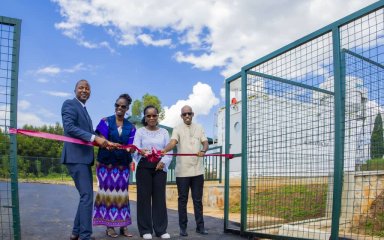
Rwanda on Thursday inaugurated its first Automatic Upper-Air Station, a facility designed to strengthen the (…)

Rwanda Development Board (RDB) has temporarily suspended operations at four hotels after inspections found they (…)