Rwanda launches first upper-air weather monitoring station
Rwanda on Thursday inaugurated its first Automatic Upper-Air Station, a facility designed to strengthen the (…)

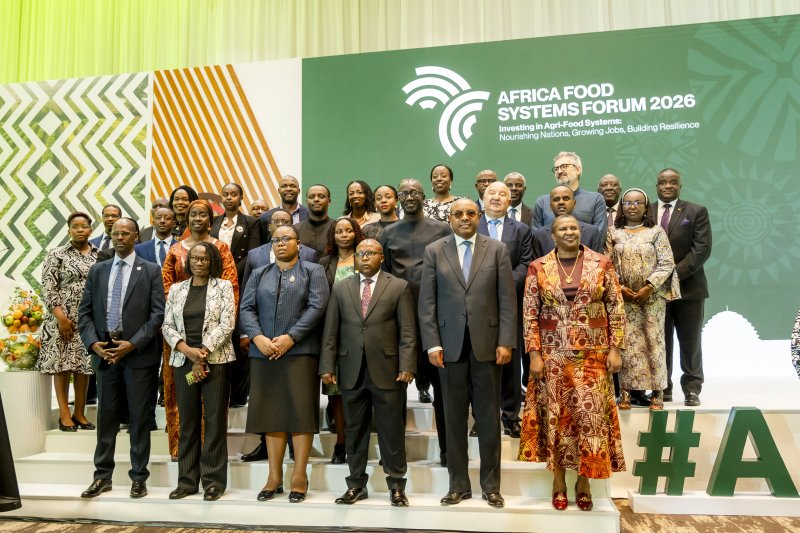
Rwanda will host the 20th edition of the Africa Food Systems Forum from Sept. 1 to 5, organizers announced Wednesday, marking two decades of efforts to transform agriculture and food systems across Africa.
The milestone event comes at a critical time, as countries begin a new decade under the Comprehensive Africa Agriculture Development Programme and step up efforts to mobilize large-scale investment through initiatives such as the New African Financial Architecture.
This year’s forum will be held under the theme “Investing in Agri-Food Systems: Growing Jobs, Nourishing Nations, Building Resilience,” with a focus on turning commitments into measurable results through increased investment, stronger partnerships and clearer accountability.
Over the past 20 years, the forum has brought together participants from more than 100 countries, hosted over 3,000 sessions and showcased investment opportunities worth more than $200 billion from governments and small and medium-sized enterprises.
More than 4,500 participants — including heads of state, ministers, business leaders, investors, development partners and innovators — are expected in Kigali for what is widely seen as a leading global platform on African agriculture and food systems.
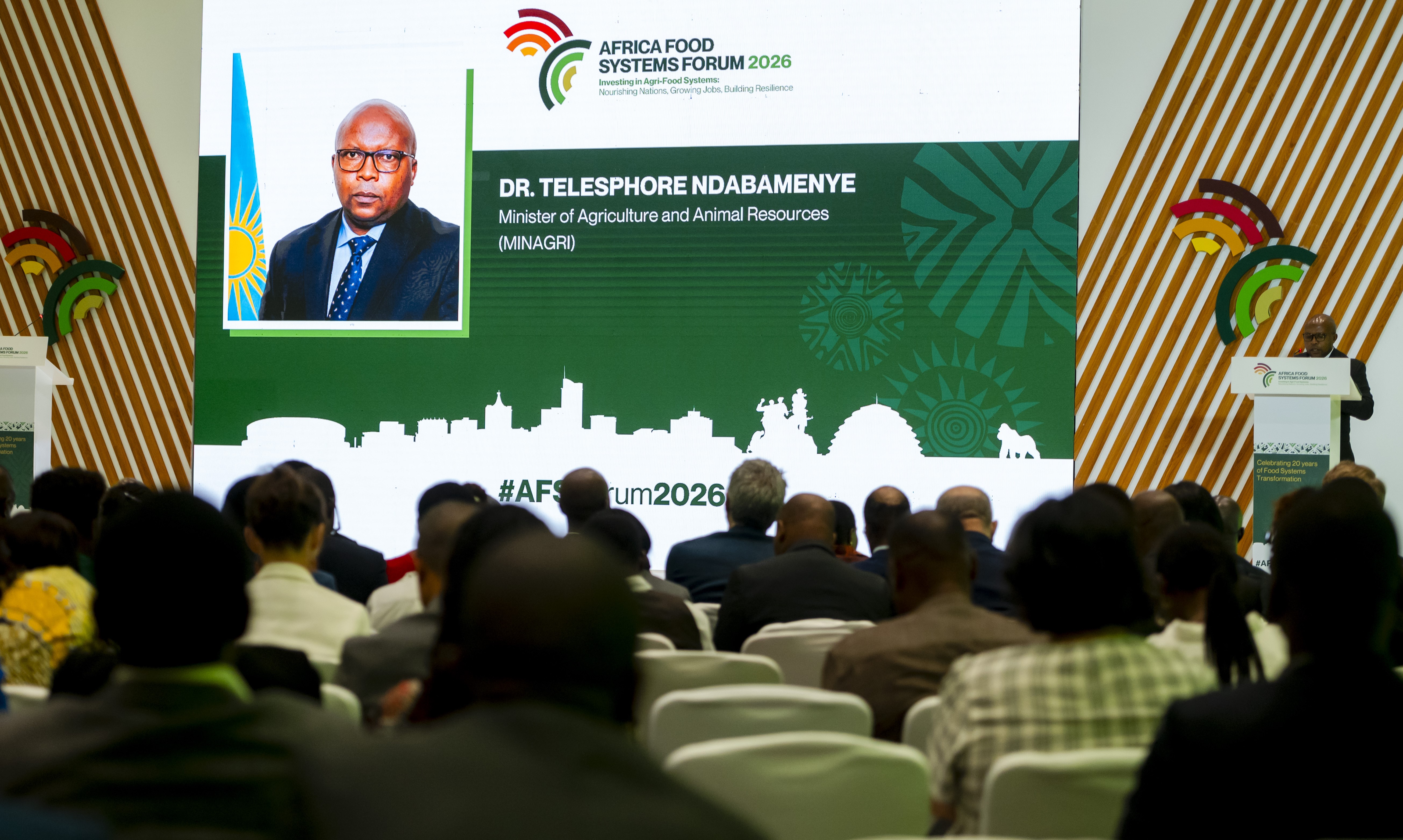
Agriculture Minister Telesphore Ndabamenye said the theme reflects mounting pressure on African economies, pointing to declining development assistance, volatile commodity prices and rising debt levels.
“Africa cannot afford to continue treating investment in food systems as an afterthought,” he said, calling for it to become a central priority.
Since its inception, the forum has grown from an investment-focused conference into a broader platform shaping policy, partnerships and financing for food systems transformation.
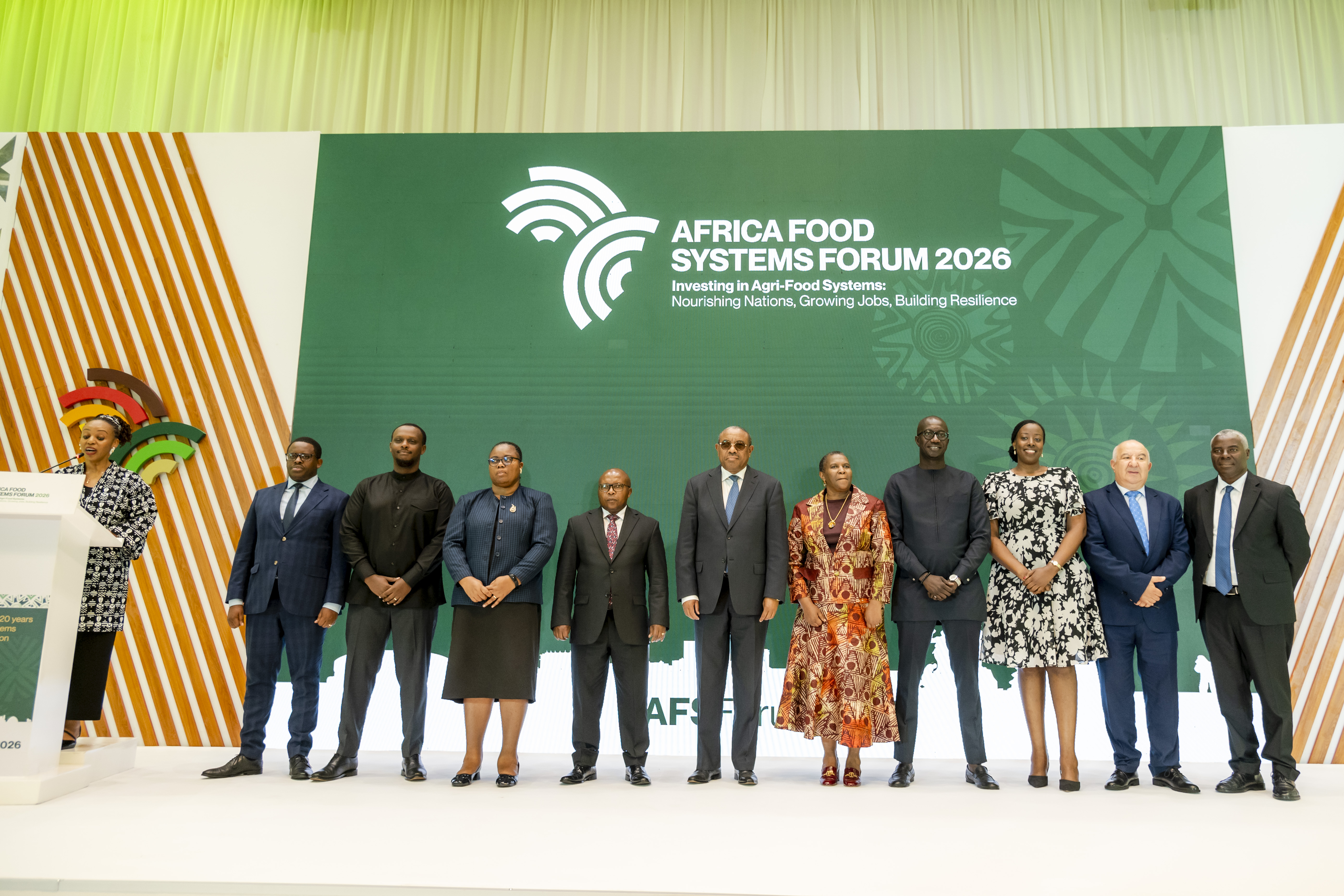
Amath Pathe Sene, managing director of the forum, said the 20th edition marks both progress and a need for faster action.
“The scale of the challenge now requires a step change in how we act,” he said. “What is needed is better alignment between policy and investment, stronger collaboration across sectors and a shift from commitments to implementation at scale.”
Rwanda’s selection as host reflects its expanding role in agricultural reform, with officials citing sustained policy efforts and innovation that have helped improve productivity and resilience while encouraging private-sector involvement.
Hailemariam Desalegn, board chair of AFSF Partners and a former Ethiopian prime minister, said the next phase will depend less on new ideas and more on follow-through.
“We have the frameworks and the knowledge,” he said. “What is required now is consistent implementation, stronger investment environments and deliberate efforts to attract both public and private capital.”
Also speaking at the launch, Alice Ruhweza, president of the Alliance for a Green Revolution in Africa, said the Kigali meeting must focus on delivery.
“We need clear plans, practical pathways and a readiness to deliver measurable results,” she said, adding that partners would work to ensure commitments made at the forum are tracked and implemented.
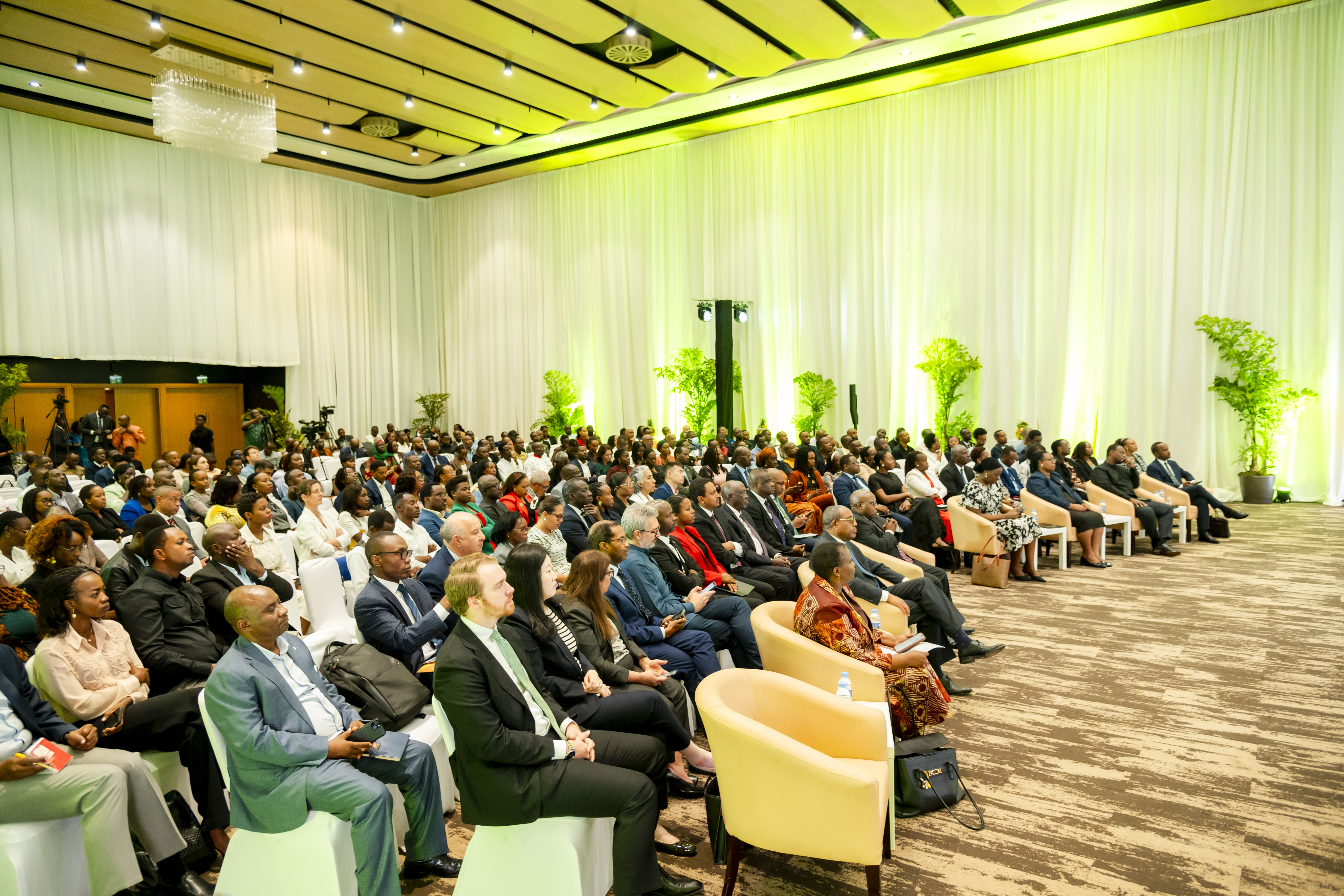
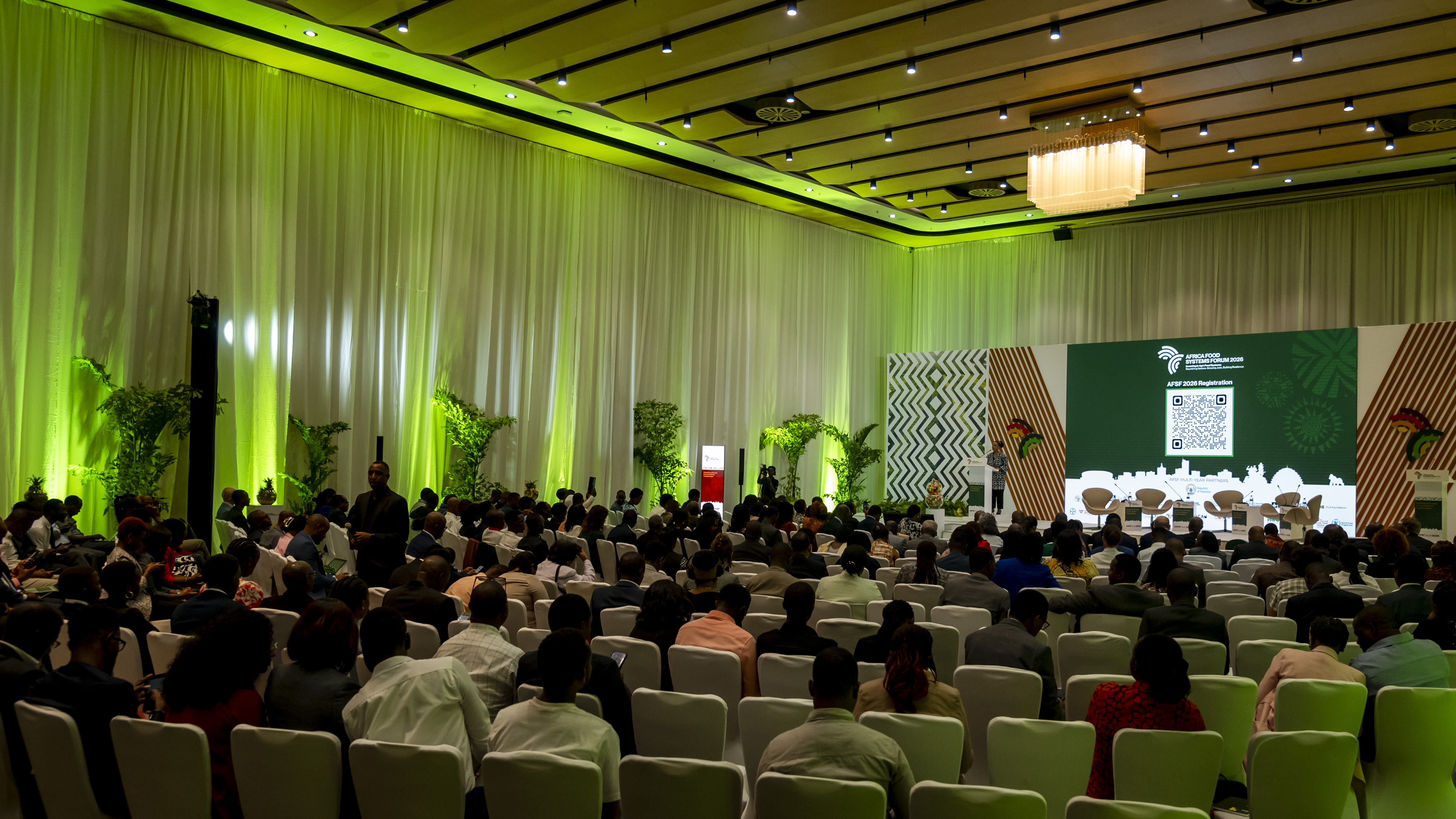
The event will include high-level plenaries, ministerial dialogues, investment deal rooms and innovation platforms. It will also create space for youth-led businesses and agri-food small and medium-sized enterprises to engage directly with investors and partners.
As Africa faces rising food demand, climate pressures and rapid population growth, the outcomes of the Kigali meeting are likely to shape how governments and investors respond to the continent’s food system challenges in the coming years.
Rwanda on Thursday inaugurated its first Automatic Upper-Air Station, a facility designed to strengthen the (…)

Rwanda Development Board (RDB) has temporarily suspended operations at four hotels after inspections found they (…)
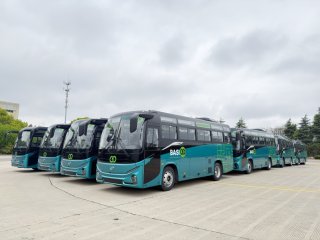
Electric bus company BasiGo plans to introduce 18 new electric passenger buses in Rwanda as part of efforts to (…)
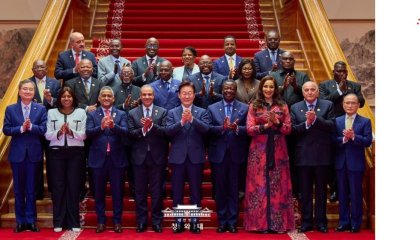
Minister of Foreign Affairs and International Cooperation, Olivier Nduhungirehe, met South Korean President Lee Jae (…)