Liberia looks to Rwanda’s digital governance model for public sector reform
Liberian government officials are in Rwanda this week to study digital governance systems that have helped (…)

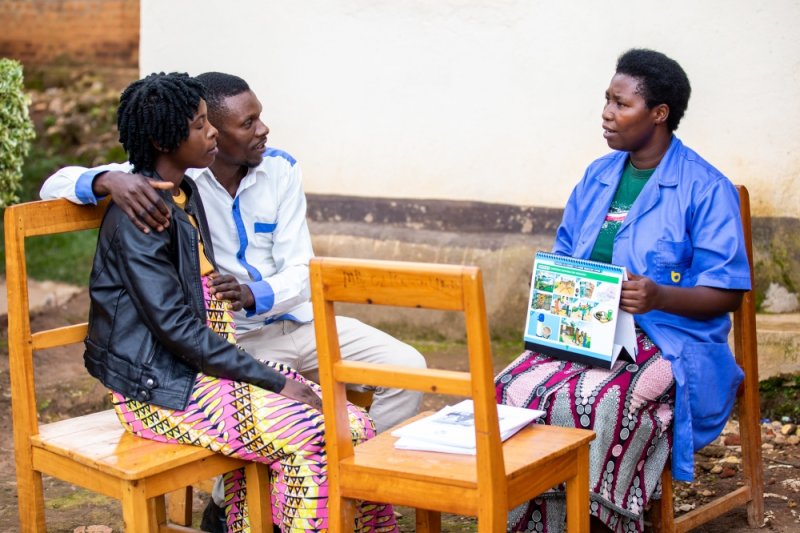
The use of family planning services in Rwanda continues to rise, driven largely by increased adoption of modern contraceptive methods, according to the latest annual report by the National Institute of Statistics of Rwanda.
More than 2 million Rwandans are now using family planning methods, up from about 1.5 million in 2019. The increase of roughly 492,000 users over five years reflects a notable shift in public attitudes toward reproductive health and population management, the report said.
Modern methods dominate usage. Implants remain the most widely used form of contraception, with 879,113 users nationwide. More than 212,000 people adopted implants in 2024 alone. Injectable contraceptives rank second, with 671,008 users, including 180,182 new users last year.
Oral contraceptive pills are used by 348,291 people, with about 141,000 starting the method in 2024.
The report also shows a significant rise in permanent female sterilization. The number of women choosing the procedure increased from 14,456 in 2019 to 35,105 in 2024. As a result, Rwanda’s fertility rate has continued to decline, with women now giving birth to an average of 3.7 children.
Women who use family planning methods say they help improve child care and household welfare by allowing families to space births and reduce the risk of child malnutrition. Health experts note that closely spaced pregnancies can strain family resources and slow social and economic progress.
Health providers encourage women and couples to choose methods that best suit their needs. However, some users report side effects, leading a number of women to discontinue certain contraceptives.
Dr. François Régis Cyiza, head of maternal and child health at the Rwanda Biomedical Center, said most family planning methods rely on hormones that naturally exist in the human body.
“Almost all family planning medicines work through hormones that are already part of the reproductive system,” Cyiza said. “Like any medication, people respond differently. Most users experience no problems, but some need time for their bodies to adjust.”
Despite the progress, officials remain concerned about a rise in unintended teenage pregnancies. Data from the 2025 Rwanda Demographic and Health Survey shows that 8% of adolescent girls reported unintended pregnancies, up from 5% recorded five years earlier.
Health authorities say addressing adolescent reproductive health will be key to sustaining gains in family planning while reducing long-term social and economic risks.

Liberian government officials are in Rwanda this week to study digital governance systems that have helped (…)

Rwanda has pledged continued support for East African integration as the East African Community (EAC) begins public (…)

Rwanda plans to spend about 9.8 billion Rwandan francs ($6.7 million) to restore sections of Nyungwe National Park (…)

More than 40,000 students, teachers and other education stakeholders in Rwanda are expected to be trained in digital (…)