Kigali Warns of Rising Child Abuse, Urges Parents to Be More Watchful
Kigali city officials are raising alarms over a surge in child abuse cases, saying most reports of sexual violence (…)

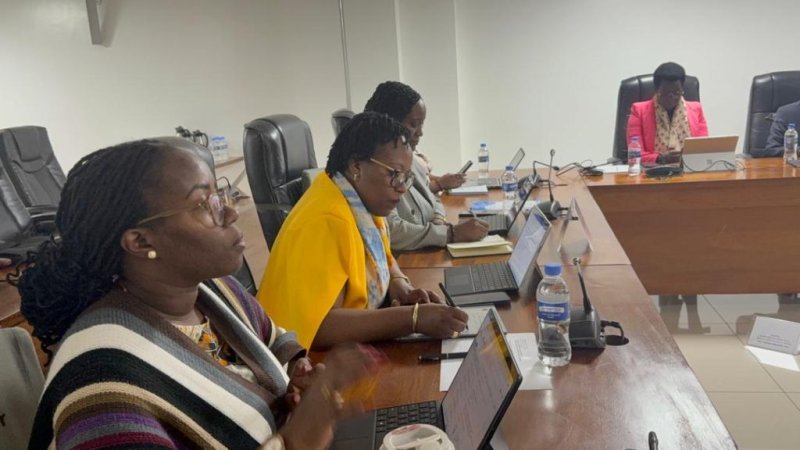
Rwanda’s Ministry of Gender and Family Promotion said 328 children are currently living with their incarcerated mothers in four women’s prisons across the country, including 44 who have surpassed the legal age limit of 3 for remaining in correctional facilities but have yet to be placed with foster families.
The ministry, known as MIGEPROF, disclosed the figures Thursday during a parliamentary session reviewing the 2024/2025 report of the National Commission for Human Rights.
The children are housed in women’s prisons in Musanze, Nyarugenge, Nyamagabe and Ngoma districts. Eight pregnant women are also currently detained in those facilities.
Gender Minister Consolee Uwimana said data collected in November 2025 by the National Child Development Agency found 171 girls and 157 boys living in the prisons. Of those, 149 are enrolled in early childhood development centers.
Under Rwandan law, children may stay with their incarcerated mothers until age 3. After that, authorities work to place them with foster families.
Lawmakers raised concerns about the welfare of children living in prisons and those separated from their mothers when they are incarcerated. Some legislators urged authorities to consider alternative sentences for mothers of young children.
“It is true that those who commit crimes must be punished, but imprisonment should not always be the first option when a child’s rights are at stake,” lawmaker Gloriose Sibobugingo said.
Other members of Parliament echoed the call for noncustodial penalties, arguing that community-based sentences could allow mothers to continue caring for their children.
Concerns were also raised about foster placements. Lawmakers warned that some children are placed with families motivated by financial assistance rather than genuine care. Others, particularly children with disabilities or serious illnesses, struggle to find foster homes.
Uwimana said discussions are ongoing with justice officials to explore sentence reductions or alternatives for mothers with young children. She added that foster caregivers, known locally as “Guardian Angels,” must meet integrity and age requirements, and placements are monitored.
The ministry acknowledged ongoing challenges but said protecting children’s rights and securing suitable families for those affected remain priorities.

Kigali city officials are raising alarms over a surge in child abuse cases, saying most reports of sexual violence (…)
Every October 11, the world marks the International Day of the Girl Child, a moment to reflect on the opportunities (…)
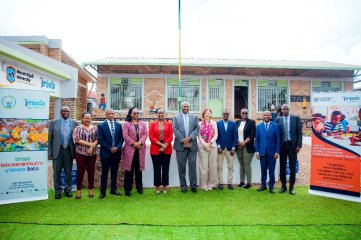
The Imbuto Foundation officially inaugurated the Masaka Model Early Childhood and Family Centre on Thursday, October (…)

In recent days, we shared a special message about couples. Today, I return to reflect on another extraordinary (…)