Rwandan peacekeepers in CAR mark Kwibuka 32, honor genocide victims
Rwandan peacekeepers serving under the United Nations mission in the Central African Republic marked the 32nd (…)

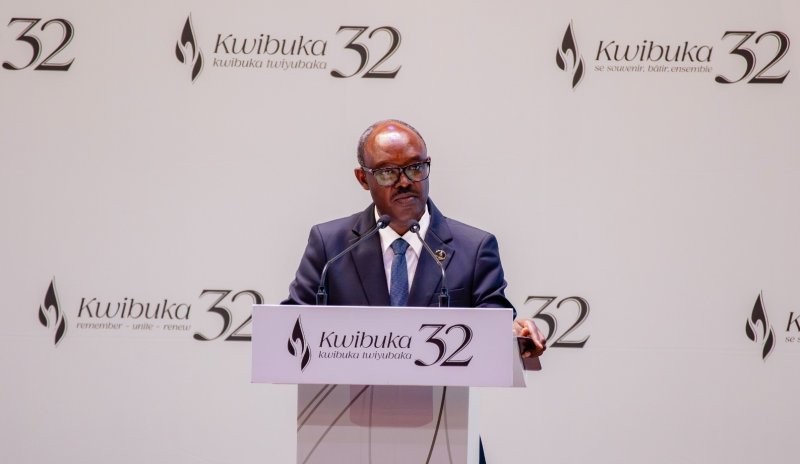
The Rwandan organization IBUKA, which advocates for survivors of the 1994 Tutsi Genocide, marked 30 years of operations, highlighting achievements in survivor welfare, justice, and historical preservation.
In a statement during an international conference on genocide prevention, IBUKA President Dr. Philbert Gakwenzire said the organization has fulfilled its founding goals through its own initiatives, government partnerships, and international collaborations.
“The organization has reached these objectives through advocacy, programs, and cooperation with both national and international partners,” Gakwenzire said, praising government support and the efforts of founding assembly members in difficult post-genocide conditions.
IBUKA was founded following a two-day assembly in December 1995, attended by 152 individuals and 16 associations. The assembly established 18 directives under three core goals: improving the welfare of survivors, preserving and learning from the history of the genocide, and pursuing justice against perpetrators.
Gakwenzire credited the Rwandan Patriotic Army, led by President Paul Kagame, and post-genocide policies that encouraged national participation in rebuilding the country for creating conditions that made IBUKA possible. “Without these efforts, none of this would be possible today,” he said, citing the iconic Tutsi Patriotic Army phrase, “Do not fear, you are not dead,” as a source of hope for survivors.
IBUKA’s programs include supporting education, healthcare, housing, and development for survivors, aiding the Gacaca Courts and the International Criminal Tribunal for Rwanda in Arusha, and preserving history through burials, songs, poetry, books, and testimonies.
While recognizing its accomplishments, Gakwenzire warned that the ideology of genocide still persists in some areas of Rwanda and beyond, calling on all citizens to help the government combat this threat.
“Thirty years later, we remain committed to healing, justice, and the prevention of genocide,” he said.

Rwandan peacekeepers serving under the United Nations mission in the Central African Republic marked the 32nd (…)
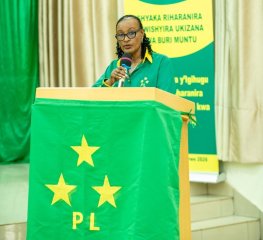
The Liberal Party (PL) on Tuesday joined Rwandans in commemorating the 32nd anniversary of the 1994 Genocide against (…)

President Paul Kagame and First Lady Jeannette Kagame on Tuesday launched Rwanda’s 32nd Genocide Commemoration Week, (…)

Rwanda and the world began the 32nd commemoration of the 1994 Genocide against the Tutsi on April 7, 2026, with a (…)