Fuel Price Increase Triggers Warning to Rwandan Traders
Ministry of Trade and Industry has warned traders against raising prices of goods without justification following an (…)

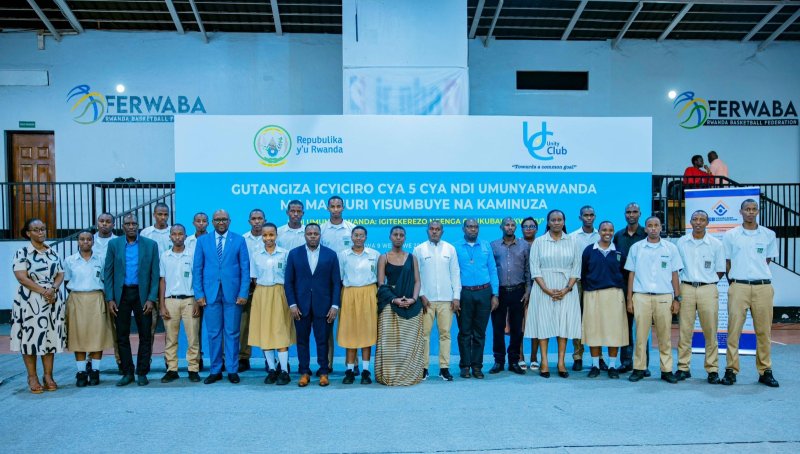
Rwanda’s “I Am Rwandan” (Ndi Umunyarwanda) program is showing early success in changing the mindset of young people and reducing crimes linked to genocidal ideology, officials said Monday.
The announcement came during the launch of the program’s fifth phase by the organization Unity Club Intwararumuri, in partnership with the Ministry of National Unity and Civic Responsibility (MINUBUMWE), the Ministry of Youth and Arts Development (MoYA), and the Ministry of Education (MINEDUC). Unlike earlier phases that focused on universities, this round targets secondary schools nationwide.
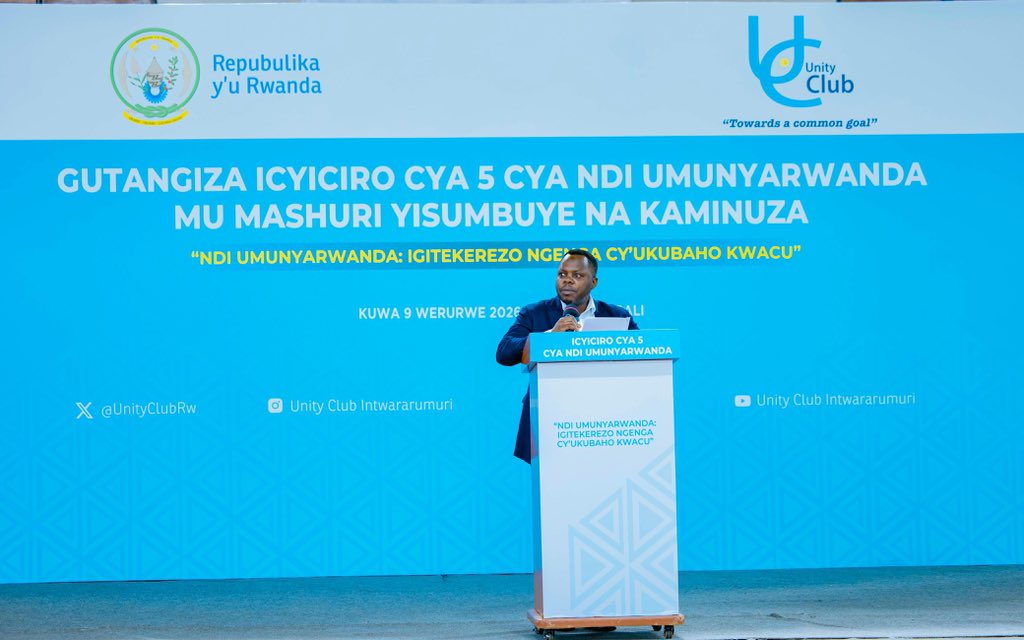
Jean Nepo Abdallah Utumatwishima, minister of youth and arts development, told students at Lycée de Kigali that the program is already producing tangible results.
“These programs continue in universities, and the results are visible. Crimes linked to genocidal ideology are gradually decreasing,” Utumatwishima said.
The minister stressed that understanding Rwanda’s history is essential to preventing division. He said some young people may exhibit harmful behavior due to gaps in historical knowledge or exposure to misleading information on social media.
He also noted that family background can shape young people’s perspectives. “Children from families of genocide survivors may experience trauma, while those from families of perpetrators may grow up with ideas of hatred,” he explained.
Utumatwishima urged students to uphold the Ndi Umunyarwanda covenant, describing it as a legacy the nation must preserve for future generations.
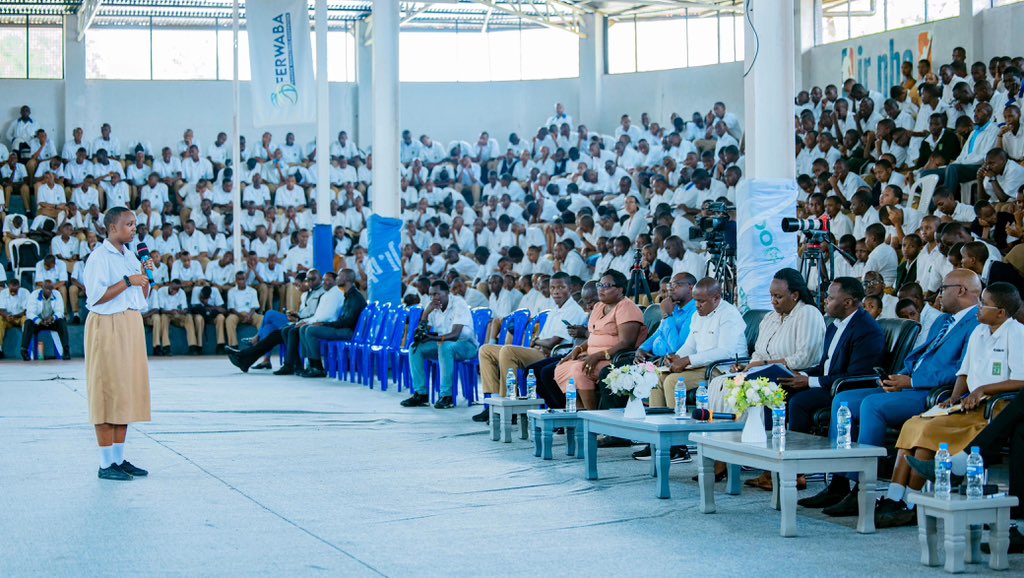
Students attending the discussions said the program helps them understand Rwanda’s past and their role in promoting national unity.
Delice Ishimwe, a fourth-year student at Lycée de Kigali, said the sessions clarify why unity is crucial for the country’s future. Her classmate, fifth-year student Julius Niyonshuti, added that the discussions remind youth they are responsible for continuing Rwanda’s journey of reconciliation.
“These discussions help us respect each other and work together as Rwandans,” Niyonshuti said.
Ministry of Trade and Industry has warned traders against raising prices of goods without justification following an (…)

The vice president of the African Volleyball Confederation, Louis Rwakiranya, said there are no concerns about (…)
Heifer International Rwanda has taken 12 finalists in the AYuTE Africa Challenge 2026 into a four-day training (…)

Rwanda and Uganda have reaffirmed their commitment to strengthening bilateral ties following a joint meeting held in (…)