Rwanda launches $6.7 million effort to restore Nyungwe national park
Rwanda plans to spend about 9.8 billion Rwandan francs ($6.7 million) to restore sections of Nyungwe National Park (…)

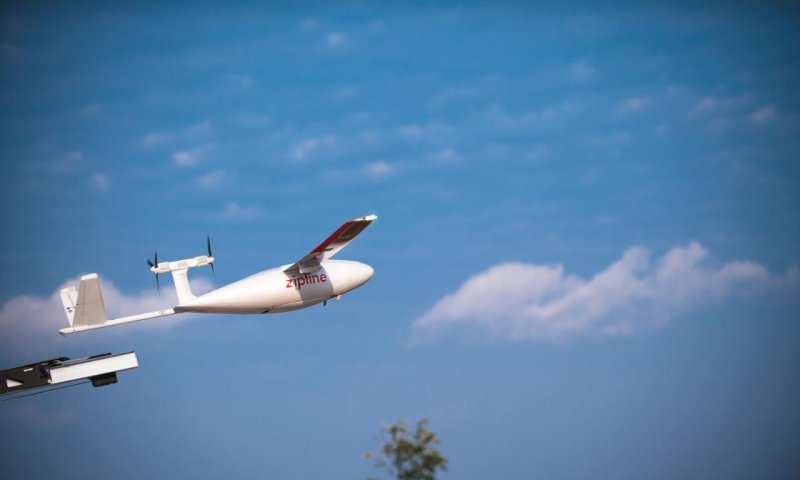
Rwanda is expanding its drone delivery network with Zipline Rwanda, signing a new agreement on Feb. 4 that will extend the service into Kigali and the Western Province, officials said. The deal moves the country closer to a nationwide autonomous delivery system and introduces Africa’s first urban drone delivery service.
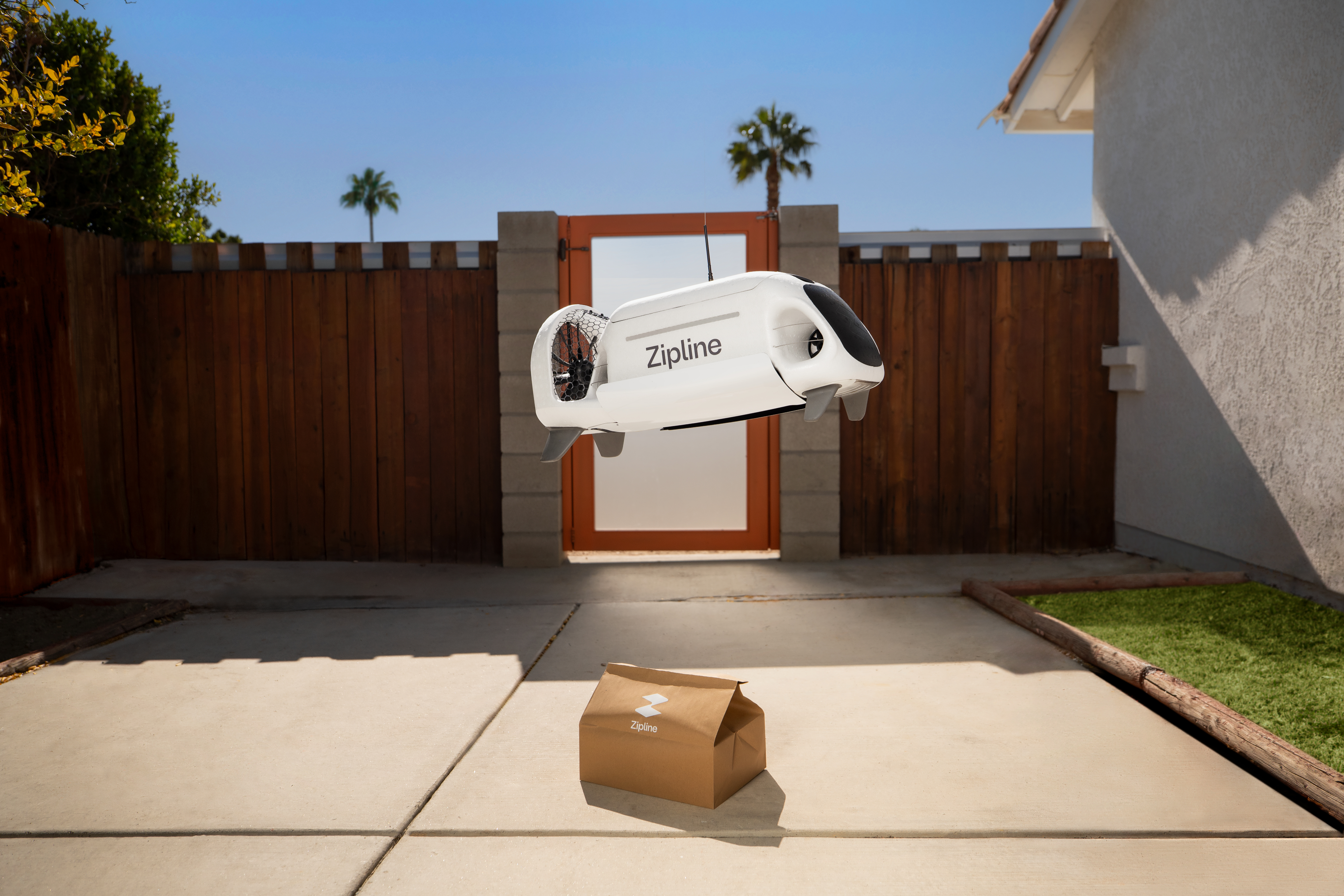
Zipline currently operates fixed-wing drones from hubs in Muhanga and Kayonza, delivering medical supplies to rural health facilities. Under the new agreement, Zipline will deploy vertical take-off and landing (VTOL) drones in Kigali, which do not require runways. The company said operations in the capital are planned for 2027.

“We will use special drones that are very different from the ones we currently have because those do not need runways to take off,” Zipline Rwanda country director Pierre Kayitana said. “It will hover low while it is placed inside, then take off and immediately deliver it to the person who ordered.”
The expansion includes a third distribution hub in Karongi District, joining existing facilities in Muhanga and Kayonza. Zipline said the Karongi hub will start operating in June 2026, improving delivery times to the Western region, including Rusizi, Nyamasheke and Nkombo.
The rollout is supported by $150 million in funding from the U.S. government, provided under a pay-for-performance award from the U.S. Department of State, Zipline said. Most of the funding will be spent in Rwanda.
Zipline said the Karongi hub will serve roughly 200 health posts and 60 major facilities, covering around 2.9 million people, while the nationwide network will reach over 11 million residents and support about 350 local jobs.

“Opening a site in Karongi is something we highly value because the Western region had challenges with quick access,” said Jeanne Umuhire, deputy director general of the Rwanda Biomedical Centre. “Blood and other medical supplies will arrive on time.”
Zipline Africa director Caitlin Bulton said Rwanda was selected because of its strong technology environment and familiarity with drone systems. “Rwanda is unique in how it accelerates technology and also supports the development of the health sector,” she said. “There is no doubt these innovations aim to protect lives.”

Bulton also said the Kigali network will use Platform 2 (P2) drones, capable of carrying 4–5kg, flying up to 25km, and reaching 100km/h.
Zipline also plans to establish an AI and robotics testing facility in Rwanda, its first overseas research and development hub, to test aircraft performance, safety systems and logistics software.
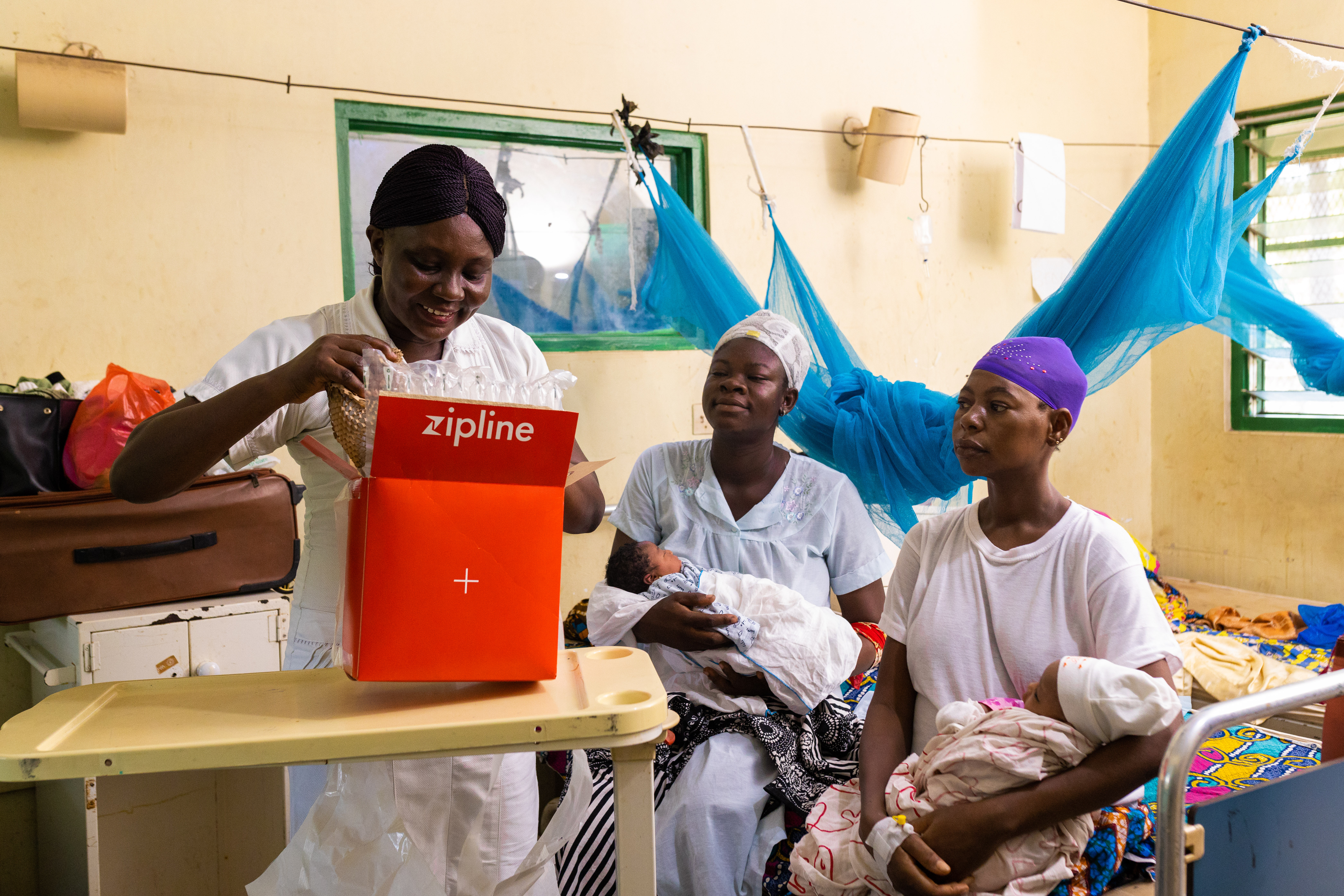
Zipline launched its first autonomous delivery service in Rwanda in 2016. The company said the system has improved access to blood, vaccines and medicines, and has been linked to reduced maternal mortality in health reports.

Rwanda plans to spend about 9.8 billion Rwandan francs ($6.7 million) to restore sections of Nyungwe National Park (…)

More than 40,000 students, teachers and other education stakeholders in Rwanda are expected to be trained in digital (…)

Rwanda has set its national budget for the 2026-27 fiscal year at 7.796 trillion Rwandan francs ($5.5 billion), (…)

The Capital Markets Youth Forum 2026 concluded Friday at the Kigali Convention Centre, bringing together students, (…)