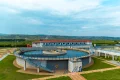
Rwanda launches first upper-air weather monitoring station
Rwanda on Thursday inaugurated its first Automatic Upper-Air Station, a facility designed to strengthen the (…)

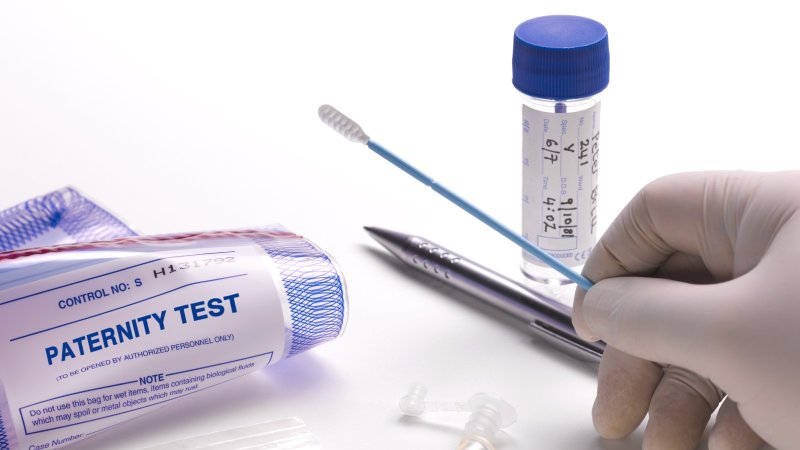
Rwanda will begin using prenatal DNA testing in early 2026 to strengthen investigations and speed up justice in sexual violence cases, officials have announced.
The tests will detect a baby’s genetic identity as early as six weeks into pregnancy without surgery or procedures that endanger the mother or child.
According to the Rwanda Forensic Institute (RFI), the new method will rely on Next Generation Sequencing (NGS) technology, which analyzes the mother’s blood to identify fetal DNA and compares it with samples from the suspected father.
Dr. Charles Karangwa, Director General of RFI, said the technology will help investigators confirm paternity earlier and provide stronger evidence in court.
“This innovation will help justice institutions act faster and more accurately in sexual violence cases,” he said.
The government will pay for DNA tests requested during criminal investigations through the Rwanda Investigation Bureau (RIB), while individuals seeking tests privately will cover their own costs.
Although Rwanda’s law on DNA testing is still under parliamentary review, authorities say the process will follow national forensic standards to ensure evidence is admissible in court.
Teenage pregnancies remain a major concern. In 2024 alone, 22,454 adolescent girls became pregnant, up from 22,055 in 2023, most of them under 17, according to the Ministry of Gender and Family Promotion.
Experts hope early DNA testing will help close gaps in prosecution, as a 2020 Legal Aid Forum study showed only 15 percent of sexual violence cases in Rwanda reach court.
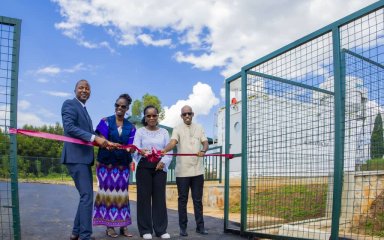
Rwanda on Thursday inaugurated its first Automatic Upper-Air Station, a facility designed to strengthen the (…)

Rwanda Development Board (RDB) has temporarily suspended operations at four hotels after inspections found they (…)

Electric bus company BasiGo plans to introduce 18 new electric passenger buses in Rwanda as part of efforts to (…)
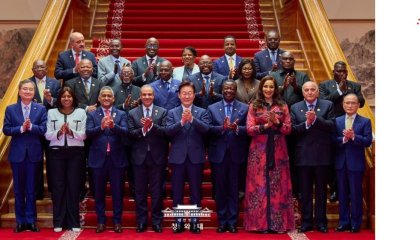
Minister of Foreign Affairs and International Cooperation, Olivier Nduhungirehe, met South Korean President Lee Jae (…)