Rwanda’s Deaf Community Pushes for Official Recognition of Sign Language
Rwanda’s deaf community is urging the government to officially recognize sign language and introduce it in schools, (…)

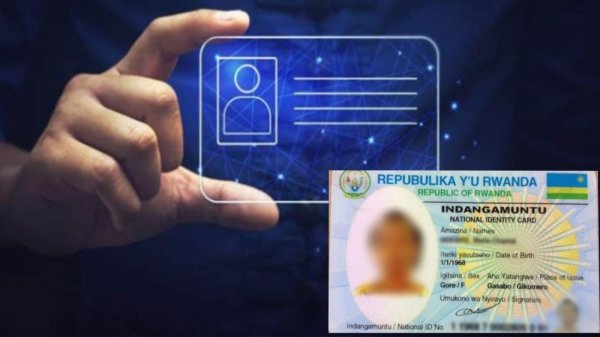
People with disabilities in Rwanda are urging the government to ensure the nationwide rollout of digital national identity cards includes special provisions to prevent them from being excluded.
The government is currently registering citizens for a new digital ID system that uses biometric data such as fingerprints and eye scans. Advocates say the process may unintentionally leave out people with disabilities, especially those who cannot provide the required biometric information or cannot easily reach registration sites.
Jean Baptiste Murema, an advocate with the National Union of Disability Organizations of Rwanda (NUDOR), told lawmakers that the rollout has already begun across all regions, and people with disabilities could miss out unless the program is adjusted.
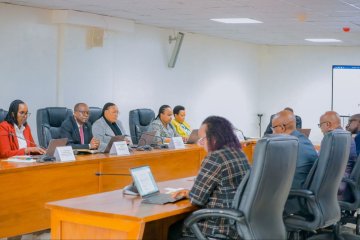
Murema raised the issue during a meeting with the parliamentary committee on national unity, human rights and the fight against genocide. He acknowledged progress in disability support but said more needs to be done to ensure equal access.
“There are people who cannot see or cannot provide fingerprints because they do not have hands,” Murema said. “How will they be registered for the digital ID?”
He also questioned whether registration centers are accessible to those using wheelchairs, crutches, or other mobility aids, and called for a system that accommodates their needs.
Murema further raised concerns about adults with disabilities who were never registered at birth and now face difficulties obtaining national IDs. He urged lawmakers to advocate for special procedures for those who were missed in earlier civil registration processes.
Madina Ndangiza, chair of the parliamentary committee, said the concerns are legitimate and promised to raise them with relevant government institutions, including the Ministry of Local Government and the National Identification Agency.
“We will engage the responsible institutions and present these issues to ensure people with disabilities receive special consideration,” Ndangiza said.
The National Identification Agency (NIDA) responded by saying disability does not prevent someone from obtaining a digital ID. Communications officer Annette Mugawaneza said applicants are registered based on the biometric data they can provide.
“If someone does not have fingerprints or cannot undergo an eye scan, they are not required to provide what they do not have,” Mugawaneza said. “That will not disqualify them.”
Mugawaneza added that NIDA is working with local authorities to reach those who cannot travel to registration sites and has trained staff in sign language to assist people with hearing impairments. She also said adults who were not registered at birth can still be registered later and issued a national ID.
Rwanda’s digital ID program is part of a broader government effort to expand e-governance and improve service delivery. The biometric-based system is designed to speed up access to public services, reduce identity fraud, and strengthen data security in sectors such as health care, banking and elections.

Rwanda’s deaf community is urging the government to officially recognize sign language and introduce it in schools, (…)

Japan has provided a grant of $89,000 to support the construction of a new facility for children with intellectual (…)
Rwanda will build five model schools for children with complex disabilities beginning in the 2026–27 academic year, (…)

The Rwanda National Union of the Deaf (RNUD) has urged the government to make sign language education accessible to (…)